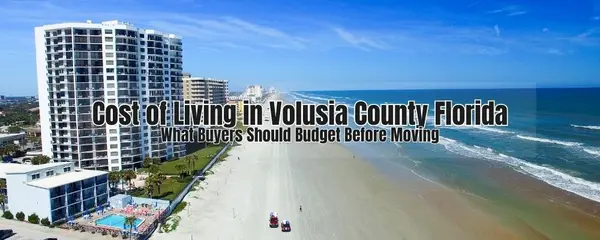
Cost of Living in Daytona Beach, Florida in 2026: What You Should Budget Before Moving

Cost of Living in Daytona Beach, Florida in 2026: What You Should Budget Before Moving
If you’re researching the cost of living in Daytona Beach, Florida, you’re likely planning a move or comparing cities within Florida. Whether you’re relocating from out of state or exploring options within Volusia County, understanding real numbers before you move is essential.
The Greater Daytona Beach area includes Daytona Beach, South Daytona, Port Orange, Daytona Beach Shores, and surrounding Volusia County communities. While each area has its own character, many everyday expenses are similar across the region.
Here’s what you should realistically budget in 2026.
Housing Costs in the Greater Daytona Beach Area
Housing is typically the largest factor when evaluating the cost of living in Daytona Beach.
As of early 2026, median home prices in the Greater Daytona Beach area generally range from the mid $200,000s to the mid $400,000s depending on:
-
Proximity to the beach or river
-
Age and condition of the home
-
Neighborhood and school zoning
-
Lot size and amenities
Daytona Beach offers a mix of beachfront condos, established inland neighborhoods, and mid century homes. South Daytona is known for smaller residential streets and established properties. Port Orange often includes newer subdivisions and slightly higher median price points in certain communities.
If you’re renting, average monthly rents typically range between approximately $1,400 and $2,200 depending on size and location.
If you’re comparing nearby communities, I’ve also created local market updates for both Port Orange and South Daytona to help you understand pricing trends across Volusia County.
Property Taxes and Insurance
Property taxes in Volusia County are often lower than many northern states. However, homeowners insurance is an important factor in Florida budgeting.
Insurance premiums vary based on:
-
Roof age
-
Flood zone designation
-
Construction type
-
Wind mitigation features
When evaluating the true cost of living in Daytona Beach, insurance quotes should always be part of your planning process.
Utilities and Monthly Household Expenses
Florida living means year round air conditioning.
Electricity is often one of the highest utility costs. Monthly electric bills can range from approximately $120 to $300 or more depending on:
-
Home size
-
Insulation and energy efficiency
-
Time of year
Water and sewer costs are generally moderate compared to national averages. Internet service typically ranges between $60 and $100 per month depending on provider and speed.
If you are relocating from a colder climate, you may save on heating expenses but see higher summer electric usage.
Transportation Costs
Transportation expenses in the Daytona Beach area are typical for Florida.
Most residents rely on personal vehicles, as public transportation options are limited compared to larger metropolitan areas.
Gas prices generally align with Florida averages. Auto insurance costs vary by driver profile and zip code, so obtaining a Florida based insurance quote prior to moving is recommended.
Groceries and Everyday Living
Grocery prices in the Greater Daytona Beach area are generally consistent with national averages.
Seasonal fluctuations may occur due to tourism patterns, but everyday essentials remain relatively stable.
Dining options range from casual local restaurants to beachfront establishments. Overall, many residents consider the cost of living in Daytona Beach moderate compared to major metro areas in the Northeast and Midwest.
Taxes in Florida
One significant financial consideration when moving to Daytona Beach is the absence of state income tax.
Florida does not have a state income tax, which can make a meaningful difference depending on where you are relocating from.
Sales tax in Volusia County includes the Florida state rate plus a local surtax.
Primary homeowners may qualify for a homestead exemption, which can reduce taxable value and provide long term savings. It is important to understand eligibility requirements and filing deadlines.
How the 2026 Real Estate Market Impacts Your Budget
The 2026 housing market in the Greater Daytona Beach area is more balanced than previous peak years.
Buyers are seeing:
-
More inventory in certain price ranges
-
Longer average days on market
-
Increased negotiation opportunities
For buyers, this may create strategic opportunities when combined with realistic budgeting and thoughtful planning.
For sellers, accurate pricing and presentation remain critical.
Understanding the cost of living in Daytona Beach goes beyond monthly expenses. It also includes understanding how today’s housing market affects your purchasing power.
What This Means for Relocating Buyers
When people search for the cost of living in Daytona Beach, they are often comparing it to higher tax states or major metropolitan markets.
In many cases, overall living expenses may feel lower, particularly when factoring in property taxes and the absence of state income tax.
However, insurance, flood considerations, and seasonal utility costs should always be part of the calculation.
If you are comparing Daytona Beach, South Daytona, and Port Orange, understanding the subtle differences between these communities can impact both lifestyle and long term financial planning.
Every relocation scenario is unique. A clear budget should include:
-
Home price range
-
Insurance estimates
-
Utility expectations
-
Closing costs
-
Property tax considerations
Careful planning helps ensure your move to the Greater Daytona Beach area is both financially comfortable and sustainable.
For a deeper look at housing trends across Volusia County, you can also explore my local market insights covering Port Orange, South Daytona, and surrounding communities.
About the Author
Kalie Luckenbaugh is a Realtor serving the Greater Daytona Beach area, including Daytona Beach, South Daytona, Port Orange, and communities throughout Volusia County. She works with buyers and sellers navigating today’s Florida real estate market and provides local insight for those relocating to Central Florida.
If you’re considering a move and want clarity on current housing costs, neighborhood options, or market conditions, Kalie offers guidance grounded in local knowledge and current data.
Categories
Recent Posts